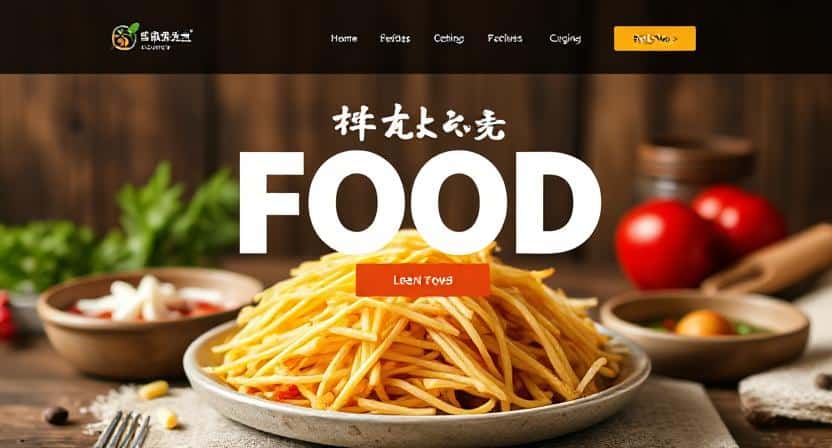
Laman Web Makanan Tradisional: Preserving Culinary Heritage Online
In today’s digital era, a Laman Web Makanan Tradisional is more than just a website—it is a bridge connecting people to the rich flavors, stories, and traditions of their culture. For many societies, traditional food carries history and values that have been passed down for generations. By showcasing these dishes online, such platforms help preserve and share culinary heritage with a global audience, ensuring that the stories behind every dish are not lost over time.
Laman Web Makanan Tradisional as a Recipe Archive
A Laman Web Makanan Tradisional serves as an online archive for recipes that might otherwise be forgotten. Families and communities often hold secret techniques, unique ingredients, and cooking methods that define their culinary identity. Documenting these recipes online ensures that anyone, from students to professional chefs, can learn, cook, or simply appreciate traditional dishes.
This becomes especially important in today’s fast-paced world, where modern lifestyles and the popularity of fast food can overshadow authentic, home-cooked meals. By providing step-by-step guides, videos, and tips, these websites make traditional cooking accessible, encouraging people to reconnect with their culinary roots.
Cultural Context and Storytelling
Beyond recipes, a Laman Web Makanan Tradisional provides rich cultural context. Many dishes are prepared only during specific festivals, weddings, or religious ceremonies, each carrying unique symbolism. These platforms not only show how to cook the dishes but also explain why they are significant, what they represent, and how they fit into the cultural narrative.
By turning food into a storytelling medium, the website preserves intangible heritage while educating younger generations. Users can learn about customs, rituals, and regional differences, making the site both informative and culturally enriching.
Connecting Communities Across Borders
For many people living abroad, a Laman Web Makanan Tradisional offers a vital link to their homeland. Recreating traditional dishes from afar helps them stay connected to their roots, preserving family traditions and fostering a sense of belonging. These websites also encourage interaction through forums, recipe sharing, and community contributions, strengthening cultural ties between people in different parts of the world.
Promoting Healthier and Sustainable Eating
Traditional cuisine often emphasizes fresh, local, and seasonal ingredients. By promoting these authentic recipes, a Laman Web Makanan Tradisional encourages healthier eating habits while reducing reliance on processed foods. Users learn how to cook balanced meals naturally, which supports both personal well-being and sustainable food practices.
Many traditional recipes also highlight plant-based ingredients, whole grains, and herbs, offering nutritional benefits that modern convenience foods often lack. In this way, the website helps people rediscover the value of cooking from scratch while maintaining cultural integrity.
Supporting Local Food Businesses and Artisans
A Laman Web Makanan Tradisional also serves as a platform for small food businesses, local farmers, and traditional chefs. Featuring their products and culinary skills online provides increased visibility, helps reach a wider audience, and supports the local economy. By connecting artisans with enthusiasts, these websites ensure that traditional flavors remain relevant and appreciated in today’s competitive food market.
Conclusion: Why a Laman Web Makanan Tradisional Matters
In conclusion, a Laman Web Makanan Tradisional is much more than a digital collection of recipes. It is a home for culture, identity, and community. By preserving culinary heritage, sharing it with others, and making tradition accessible online, these platforms ensure that the flavors of the past continue to inspire, educate, and connect people in the present and future.
As technology continues to evolve, such websites remind us that tradition still has a place in the digital age. They are not just about food—they are about storytelling, cultural preservation, and creating lasting connections across generations and borders.